The Islamic Republic of Iran has committed heinous human rights violations against its people since it came to power in 1979—from its oppression of democracy, freedom of speech, and freedom of religion to its oppression of women—never hesitating to use force: firing weapons into protesting crowds, torturing those it deems malefactors, and executing, formally or informally, its political and religious enemies.
In recent years this violence has escalated dramatically, in a grimly recognizable pattern: a wave of protest swells, the regime crushes it by force, an uneasy quiet follows, and within a few years a larger wave swells in its place.
A pattern of massacre
So it was with the 2019 protests remembered as Bloody November; so again in 2022, when the death of Mahsa Amini ignited the Woman, Life, Freedom movement; and so once more—most terribly—with the uprising that began in December 2025, when the collapse of the national currency drove Iranians into the streets in numbers said to surpass even those of the 1979 revolution, and the regime answered, as it always had, with massacre.
Why does the Iranian regime defend its power so assiduously—at a price in its own people’s lives that almost no state in history has been willing to pay? The vast majority of totalitarian states collapse before the death toll climbs as high as Iran’s has. This one has not.
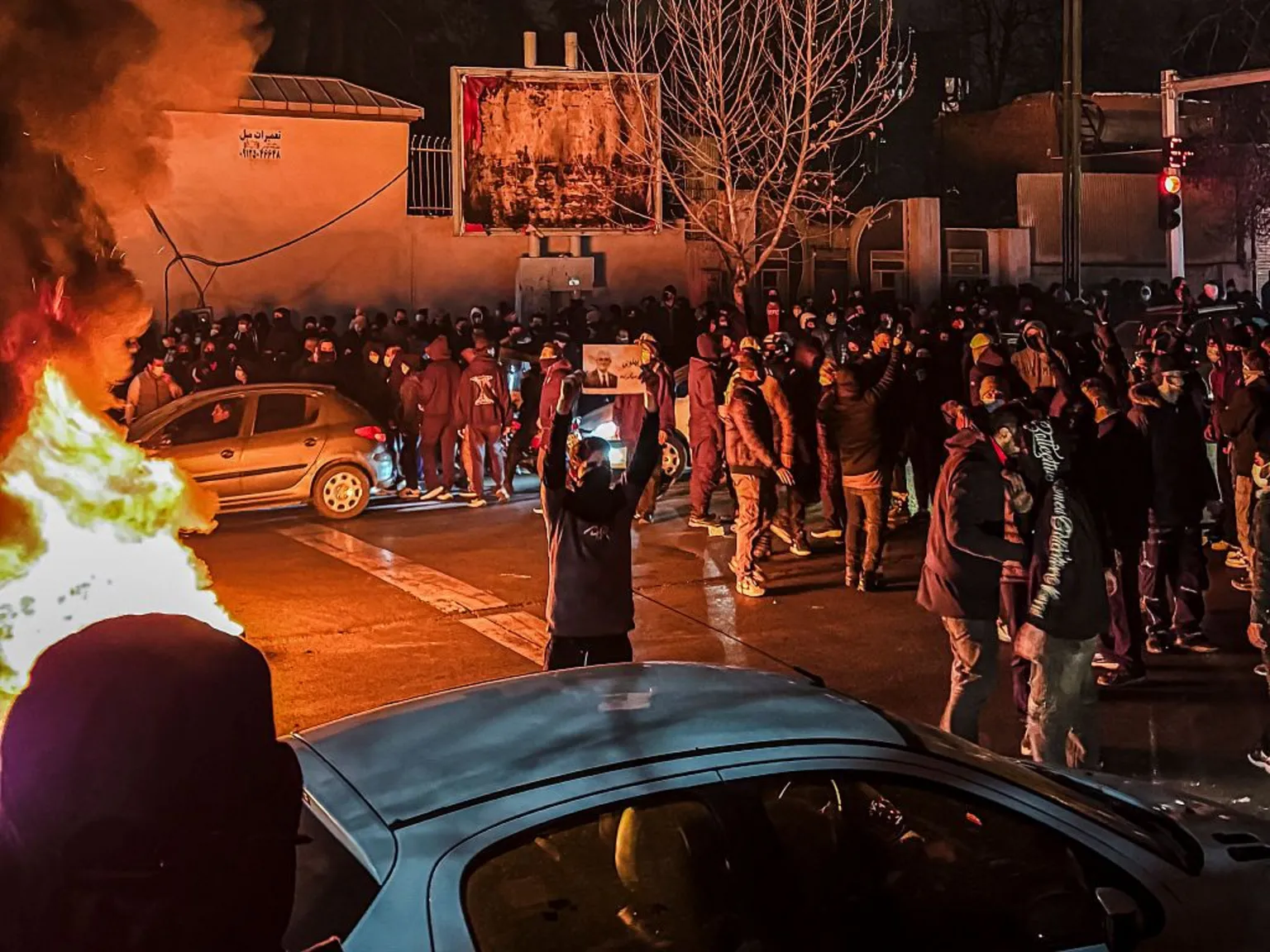
The regime suppresses political dissent
In late 2019, as fuel prices rose as much as 200%, a wave of protests erupted across the country. As protests spread to 21 cities within hours, the regime cracked down aggressively: it shut down the country’s Internet, it shot protesters dead with machine guns, and it threatened to kill the families of dead protesters if they discussed them. It was the deadliest political unrest since the 1979 Islamic Revolution: as many as 2,000 protesters were killed—brothers and sisters and sons and daughters.
“My interrogators tortured me in all sorts of ways… They told me ‘If you die, it will be like a dog dying. It’s not important to us if you live or die.’ The pain was horrific. At one point, I was just wishing to die so that I would be free of the pain and torture. Human life is not important to them.” — A peaceful protester, interviewed by Amnesty International
The regime suppresses religious freedom
Leaving Islam for another religion, apostasy, is illegal in Iran and punishable by death. Article 499 of the Iranian Penal Code criminalizes insulting “divine religions or Islamic schools of thought”; Article 500 forbids any worship that “interferes with the sacred law of Islam.”
The Baha’i faith—which preaches progressive revelation, the oneness of humanity, and gender equality—has been classified as a “deviant sect.” The state has conducted mass arrests of Baha’i worshippers, confiscated their homes and businesses, destroyed their cemeteries, and banned Baha’i youth from attending universities or holding government employment. Nor is this limited to non-Islamic faiths: Sunni and Sufi Muslims have had their mosques destroyed, clerics arrested, and literature banned.
The regime suppresses information
The regime shuts down the country’s Internet during periods of civil unrest, sometimes for weeks at a time. It has near-complete control over all Iranian media; in effect, state-run television functions as a tool of narrative management rather than news. It seeks to conceal death tolls, arrests, and executions. Families are threatened into not discussing the deaths of their loved ones. Journalists, human rights activists, and dissenting voices are routinely subjected to prolonged solitary confinement, coercive interrogations, and show trials where confessions extracted under torture are used as evidence.
What enables such durability?
Most states that attempt to so thoroughly control their populace fall relatively quickly. When Harvard political scientists Erica Chenoweth and Maria Stephan analyzed 323 violent and non-violent political campaigns between 1900 and 2006, they found that almost no state had ever survived more than 3.5% of its population protesting. In the 2025–2026 Iranian protests, according to European intelligence, over 5.4% of the population—5 million people—protested. That the regime withstood this pressure is exceptional.
The answer lies in the structure of Iran’s government: the doctrine of velayat-e faqih, the “Guardianship of the Jurist.” This system rests on the claim that ultimate political authority belongs not to the people but to a supremely qualified Islamic Jurist who rules as the Hidden Imam’s deputy. Through it, the government’s power is made sacred, and criticism thereof made sacrilegious: opposition is recast as rebellion not against a government but against the order of God. When power is sacred, dissent is sacrilegious.
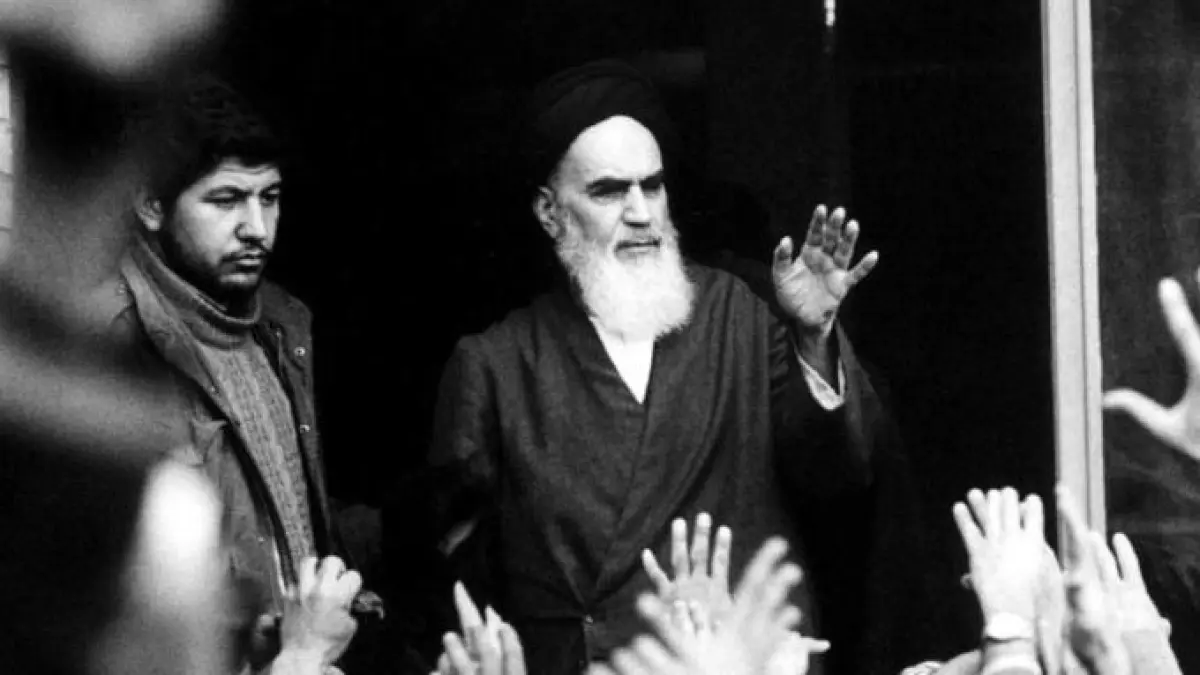
This is not a product of Islam
This system of oppression is no natural product of Iranian or Persian culture, nor of Islam, but the creation of an extremist sect that has sought to subjugate the Iranian people to its will. The Guardianship of the Jurist was the invention of Ruhollah Khomeini in his 1970 Najaf lectures—a major departure from the centuries-long quietist Shia tradition that held that clerics should not rule. The most senior Shia cleric prior to the revolution, Grand Ayatollah Abol-Qasem al-Khoei, denounced it as “blasphemous.”
To be forced to believe is not to have faith; it is to have false belief alone and nothing more. The scripture the Iranian regime claims to defend ruled against it over a thousand years ago.
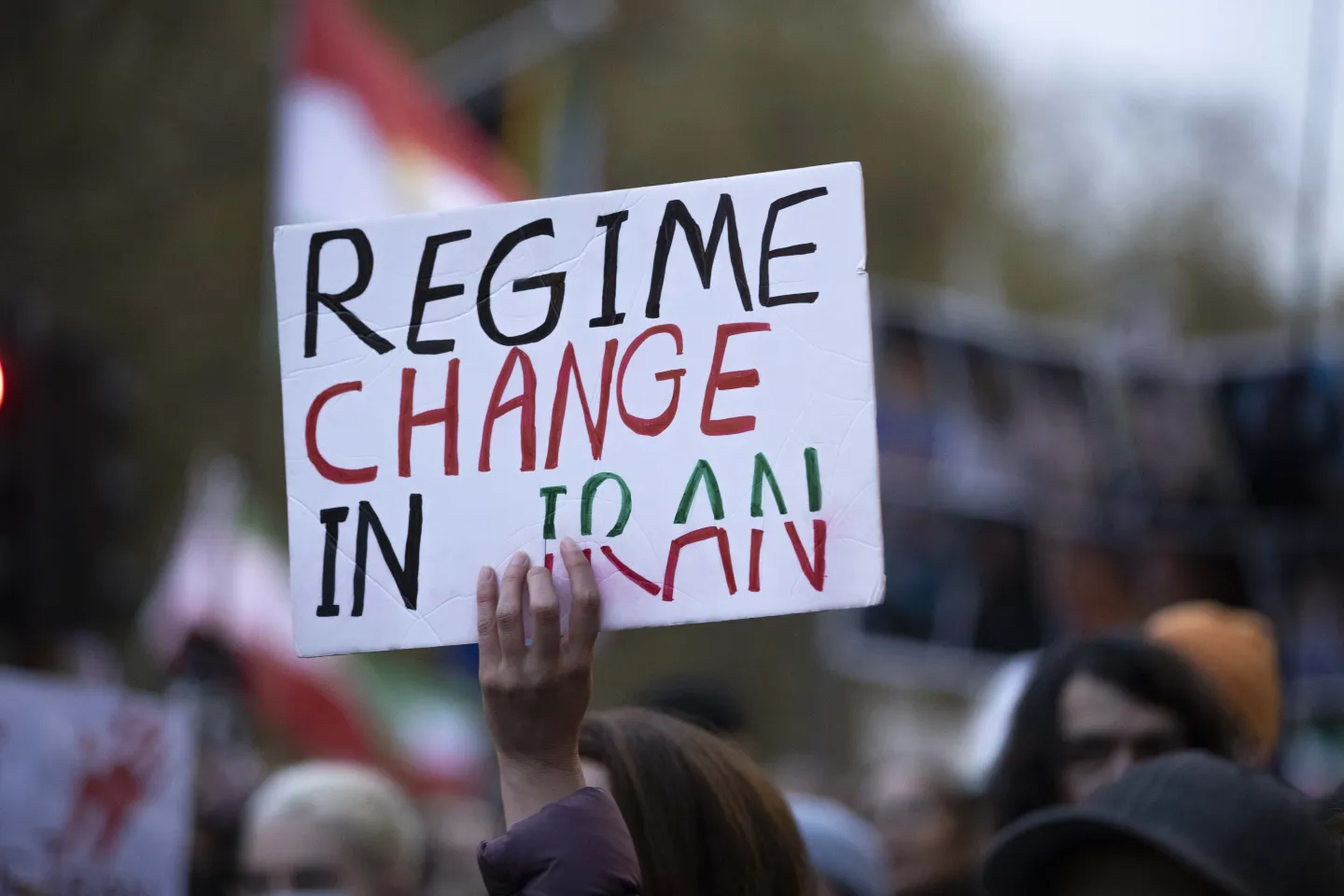
The only solution is regime change.
The regime claims that the Jurist rules as the Imam’s deputy while he lies in occultation. But in reality, it is not just the Imam who is in occultation—it is the sovereignty of the Iranian people. While the Imam’s revelation may wait another thousand years, the revelation of the Iranian people need not wait. Its time is now.
“There is no compulsion in Faith. The correct way has become distinct from the erroneous. Now, whoever rejects the Tāghūt (the Rebel, the Satan) and believes in Allah has a firm grasp on the strongest ring that never breaks. Allah is All-Hearing, All-Knowing.” — Qur’an 2:256